
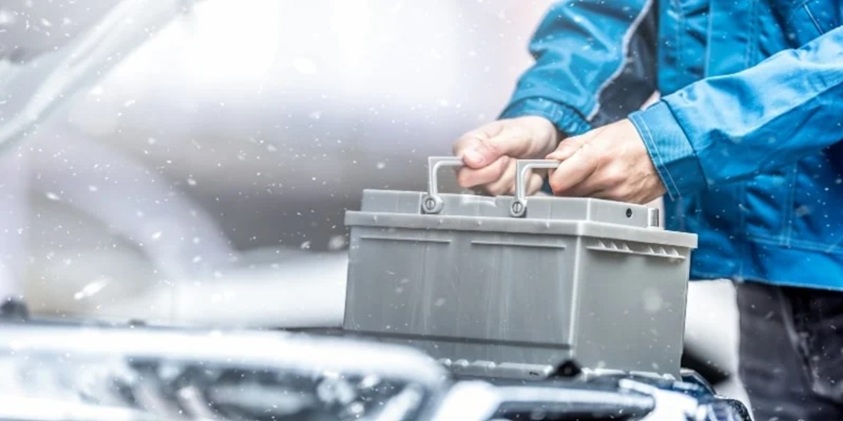
Cold weather is one of the most common causes of unexpected vehicle battery failure. While many drivers associate battery problems with age alone, temperature plays a major role in how well a battery performs. As temperatures drop, batteries lose efficiency while engines require more power to start. This imbalance often leads to slow cranking, warning lights, or complete no-start situations. Choosing the right battery, such as a group 65 battery, and understanding how cold weather impacts battery performance can help drivers avoid winter breakdowns.
Winter battery issues rarely happen without warning. By recognizing how cold temperatures affect battery chemistry and power delivery, drivers can take proactive steps to maintain reliability throughout the colder months.
Battery Drainage
Cold temperatures significantly reduce a battery’s ability to deliver power. Chemical reactions inside the battery slow down as temperatures drop, reducing available voltage. At the same time, engines require more power to turn over because cold oil is thicker and internal components offer more resistance.
This combination creates the perfect conditions for battery drainage. Even a battery that performs adequately in warm weather may struggle in winter. Short trips further worsen the issue, as the battery may not have enough time to fully recharge between starts.
Parasitic electrical loads also contribute to winter battery drain. Modern vehicles draw power continuously to support systems like alarms, keyless entry, and onboard computers. In cold weather, these small draws have a greater impact on an already weakened battery.
Vehicle design can influence how quickly battery drainage becomes noticeable. Accessing and inspecting the battery is important for diagnosing winter issues. Knowing the dodge charger battery location, for example, helps drivers or technicians check connections, corrosion, and charge condition before cold weather causes failure.
Corrosion and loose connections further reduce battery efficiency. Cold temperatures increase electrical resistance, so any weakness in terminals or cables becomes more pronounced. Even minor corrosion can prevent sufficient power transfer during cold starts.
Leaving vehicles unused for extended periods during winter can also accelerate drainage. Batteries naturally self-discharge over time, and cold weather speeds up this process. Vehicles parked for days or weeks without use are especially vulnerable to dead batteries.
Why Battery Viscosity Matters in Low Temperatures
While battery fluid isn’t typically described the same way as engine oil, viscosity-like behavior still matters in cold conditions. As temperatures drop, the electrolyte solution inside the battery becomes less reactive, slowing the movement of ions between plates. This reduced activity limits the battery’s ability to generate power efficiently.
Lower temperatures also increase internal resistance within the battery. Higher resistance means more energy is lost as heat rather than delivered to the starter motor. This is why cold engines crank slower and why weak batteries often fail during winter.
Battery size and capacity play an important role in overcoming cold-weather challenges. Larger batteries with higher cold cranking amps (CCA) are better equipped to deliver power in freezing conditions. Choosing a battery matched to your vehicle’s needs improves winter reliability and reduces strain on electrical systems.
Battery placement can also affect performance. Batteries located closer to heat sources may retain warmth longer, while those positioned in colder areas of the engine bay are more exposed. For drivers planning a lexus rx 350 battery replacement, selecting a battery with appropriate cold-weather ratings helps compensate for temperature-related losses.
Oil viscosity indirectly affects battery performance as well. Thicker oil in cold weather requires more power to turn the engine, increasing demand on the battery. This makes proper oil selection and timely oil changes an important part of winter battery health.
Routine battery testing becomes especially important as temperatures drop. Voltage tests, load tests, and visual inspections help identify weakening batteries before they fail. Proactive replacement prevents cold-weather no-start situations and reduces stress on starters and alternators.
Conclusion
Cold weather places significant strain on vehicle batteries by reducing chemical efficiency while increasing power demand. Battery drainage, internal resistance, and temperature-related performance loss all contribute to winter starting problems. Understanding how cold affects battery behavior allows drivers to take preventive action through proper maintenance, testing, and timely replacement. By preparing your battery for winter conditions, you can avoid unexpected breakdowns and ensure reliable starts even in the coldest temperatures.