
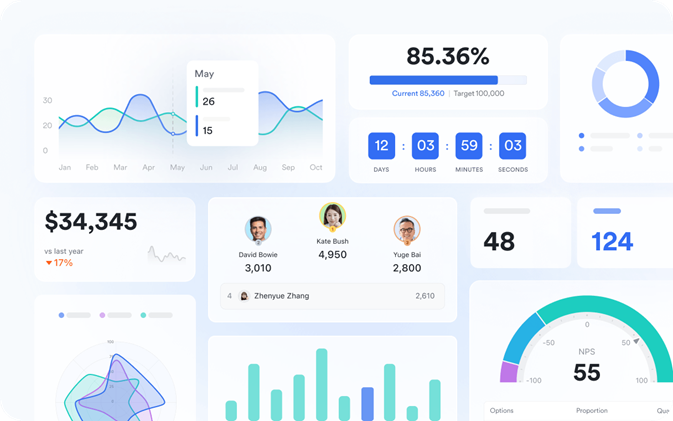
Feedback makes things improve all the time. Teams need immediate feedback to improve and evolve, whether it’s to make a product better, make processes more efficient, or help workers do their jobs successfully. But using email and other old-fashioned methods can slow things down by burying good ideas in threads or not taking action on them. Companies are using new project management tools that bring together communication, documentation, and decision-making in one place to close the gap.
Collaborative technologies make loops that are quick, clear, and helpful by include feedback in daily work. Instead of collecting feedback from separate places, it is shared in real time, compared to shared data, and turned into choices that help the organization grow.
Lark Base: Organizing input for continuous improvement
Feedback loses impact when it’s scattered across too many systems. Lark Base provides a central space to log, organize, and analyze input, making suggestions easy to find instead of buried in long threads. Its flexibility also makes it valuable for CRM app workflows, helping teams capture customer feedback in context and ensure it translates into meaningful improvements.
Managers can categorize comments by client, project, or issue, while dashboards highlight recurring challenges at a glance. Teams sort responses by priority or department, and linked records connect feedback to initiatives already in progress. Employees can choose whether to view high-level summaries or detailed records showing how their input is applied. This adaptability turns unstructured recommendations into structured insights that drive real change.
Lark Calendar: Creating the right timing for feedback
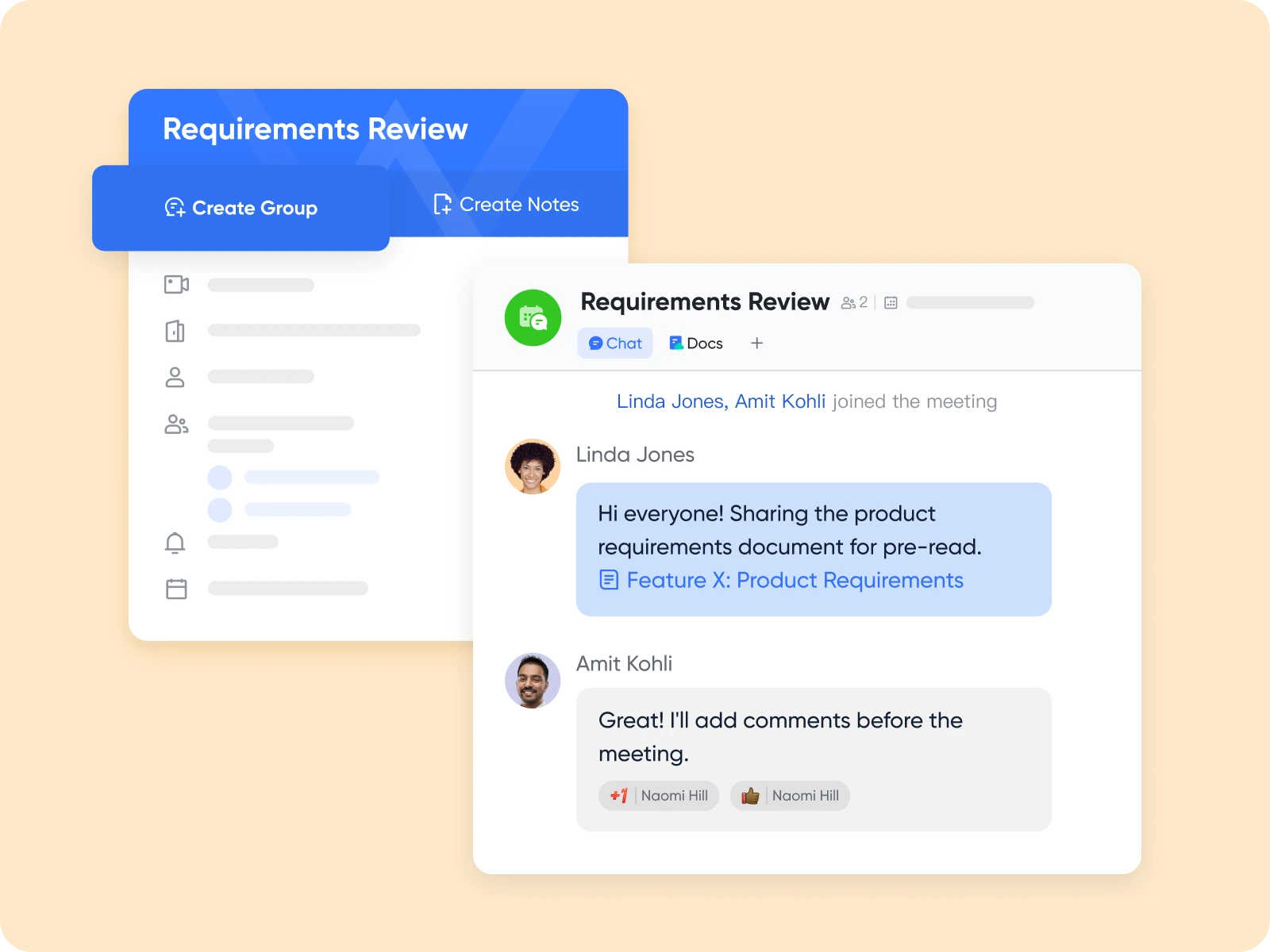
Feedback that comes too late is useless, no matter how great it is. Lark Calendar helps businesses make feedback a regular part of their work by scheduling project reviews, retrospectives, and one-on-one sessions. Smart reminders let employees know about meetings that are coming up, and shared calendars make sure that everyone gets a chance to talk.
Automatic time-zone conversion makes it easy for teams from all over the world to work together and makes sure that everyone is included. Recurring events keep feedback loops going, which provides cycles of improvement a sense of rhythm. Calendar helps keep conversations on track and related to the topic by allowing you attach relevant papers or notes to events.
Lark Docs: Capturing and refining collective input
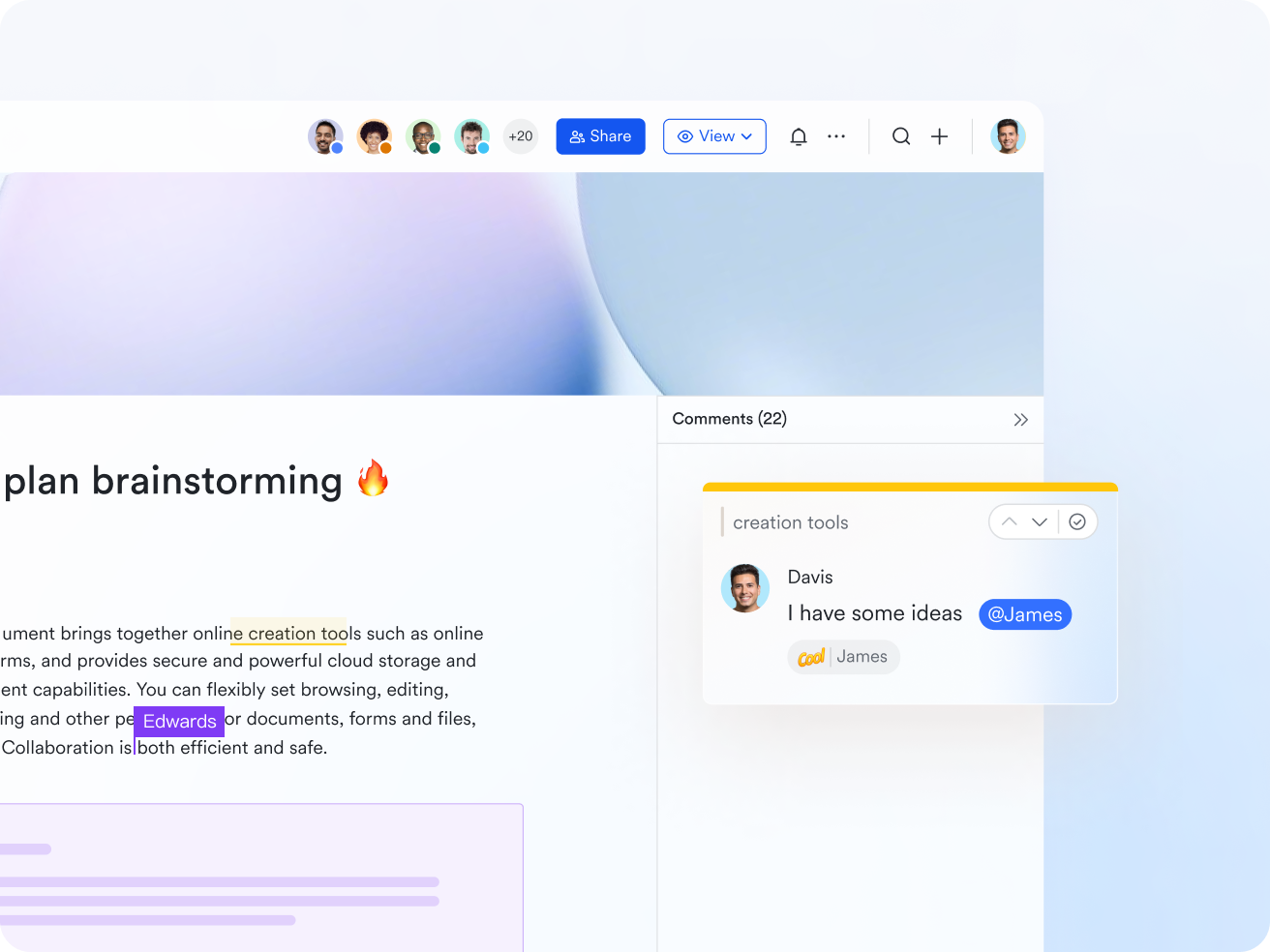
Lark Docs is the greatest place to put down your ideas before you do anything with them. Employees can work on proposals, give input, and improve papers together in real time, and version history shows how each person’s contribution affected the final product. This makes things clearer and makes sure that everyone knows how their activities affect their choices.
You won’t lose feedback if attachments are all over the place or threads don’t connect. It keeps close to the job. You can even transform comments into tasks, which makes it clear what has to be done without having to leave the document. Access constraints also let managers choose between letting a lot of people see papers to obtain feedback and only letting a few people see them to conduct focused discussions. The final result is a process that works better, faster, and more smoothly for everyone.
Lark Approval: Turning feedback into decisions
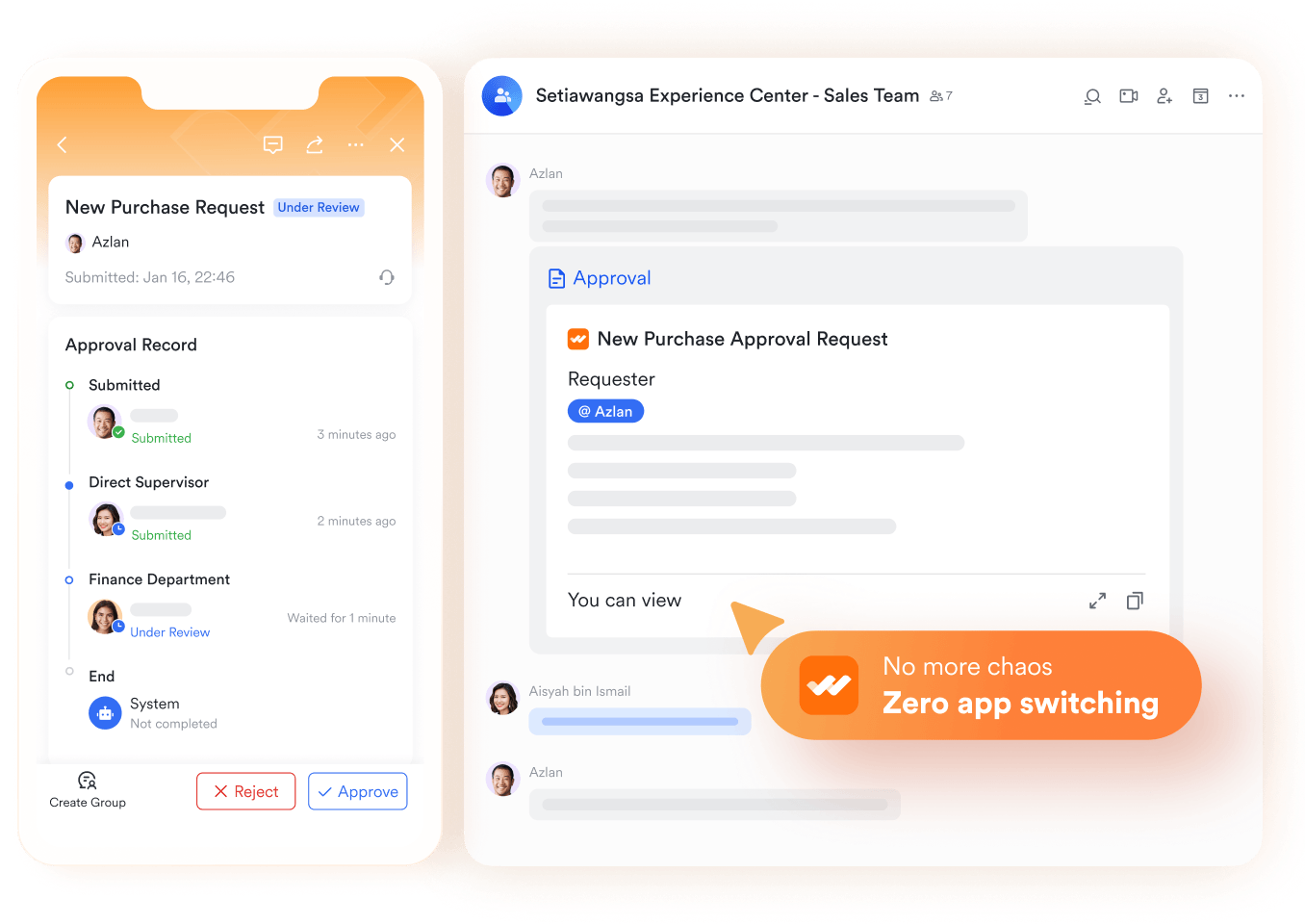
Feedback loops only work when the input makes it easy to choose. Employees can easily look at and accept proposals with Lark Approval, which makes them feel like their work won’t get stuck. Managers may look at requests right away, approve changes with only one click, and keep complete records of how decisions were made.
Approval also helps with an automated workflow that sends requests right away to the right people who can make decisions. This makes it less probable that things will take longer than expected. Notifications tell approvers right away when they need to accomplish something, and tracking dashboards show teams whose approvals are still pending or have already been completed. Standardized request forms make it easier to give feedback on items that happen over and over again. This keeps the changes coming swiftly.
Lark Messenger: Keeping feedback continuous
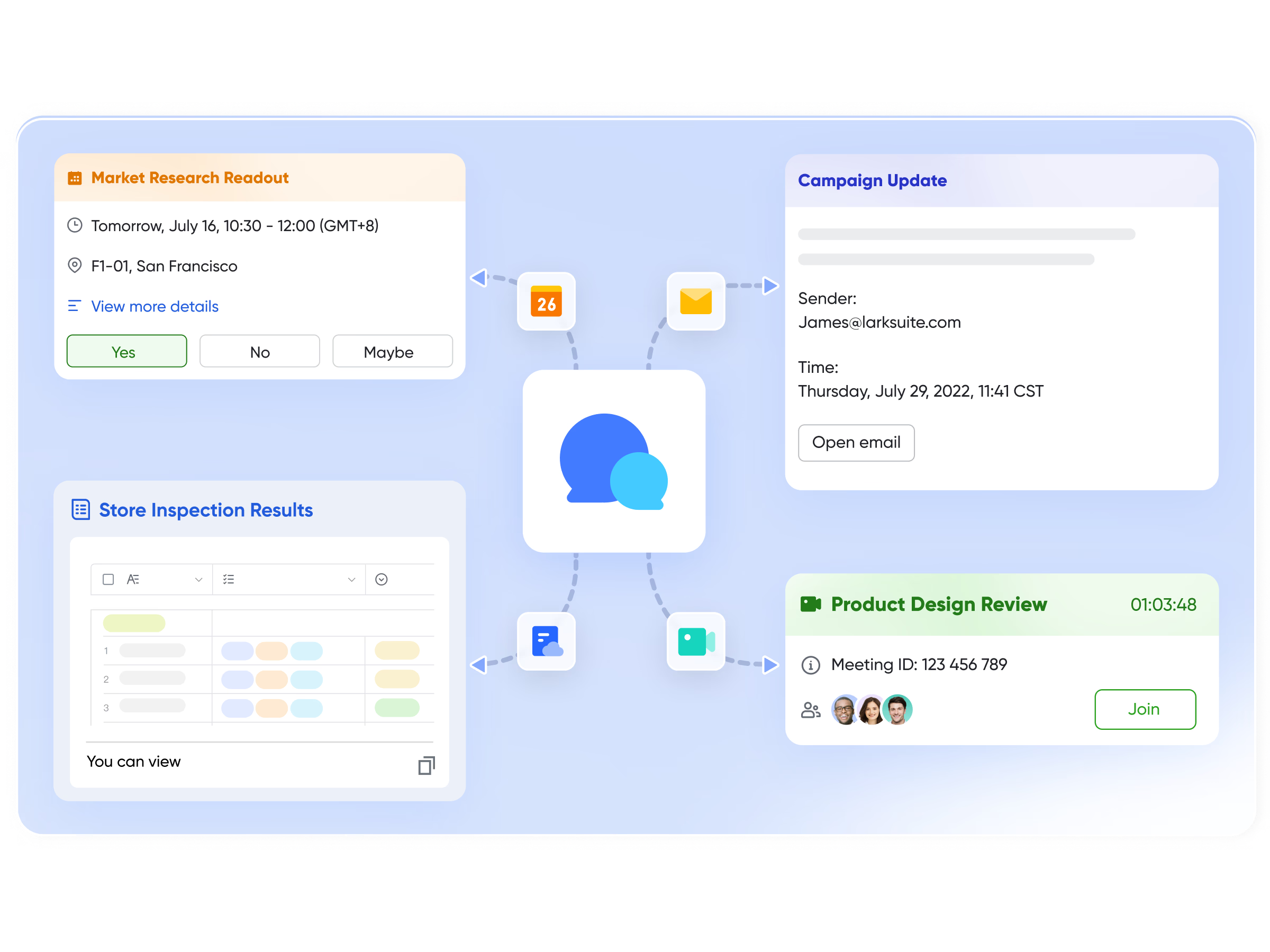
You don’t have to wait for formal reviews to gain input; you can get it in everyday scenarios. With Lark Messenger, users can easily chat with each other in real time through direct messages and groups. Employees can tag coworkers, provide files, or leave comments right away, which makes sure that feedback is saved when it’s most useful.
Messenger allows you link conversations to tasks or records, which is more than just talking. This makes sure that critical stuff doesn’t get lost in chat history. Pinned messages make important information stand out, voice notes make it easier for busy people to share, and connected reports keep the context clear. This makes Messenger more than just chat software; it’s where people give and get feedback all the time and where rapid ideas turn into actions.
Lark Wiki: Preserving feedback for future use
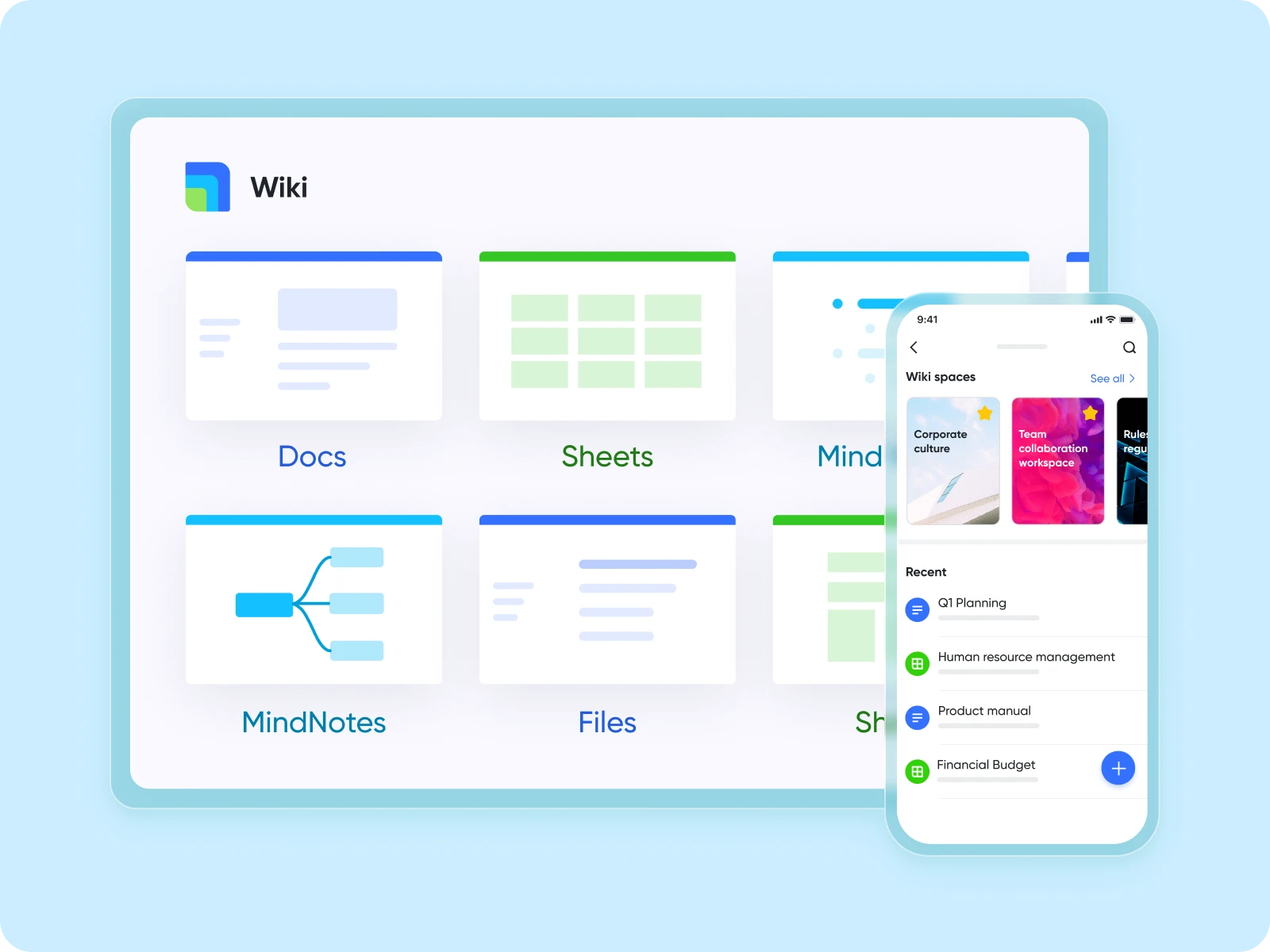
Some comments become teachings that stay with you for a long time and should be written down. Lark Wiki is a well-organized site where businesses may write down their best practices, keep track of their progress, and save what they learned from earlier projects. Employees may obtain tried-and-true answers on the Wiki instead of having the same conversations over and over again.
You can transmit Wiki articles to Base data or link them to Base data. This makes it simple to access information in its proper context. Page linking helps organizations construct vast libraries of feedback, and collaborative editing makes sure that the information grows better over time. Wiki keeps useful information useful long after the first loop is done by keeping it in order.
Conclusion
In the end, feedback loops that work don’t merely collect data; they also make sure it leads to change. You can obtain all the feedback you need to improve with Lark. Base stores all the structured information in one place. Calendar sets up regular review periods. Docs lets people work together to make things better. Approval makes decisions. Messenger keeps conversations going. Wiki keeps account of how things get better.
By integrating these technologies in everyday tasks, companies may create a culture of responsiveness. This makes workers feel like their thoughts matter and gives managers a clear understanding of what has to be done. This not only helps you solve difficulties faster today, but it also makes it easier to be flexible later. Lark and other tools that help people work together make feedback a fantastic way to go forward in a world where being flexible is the key to success.