
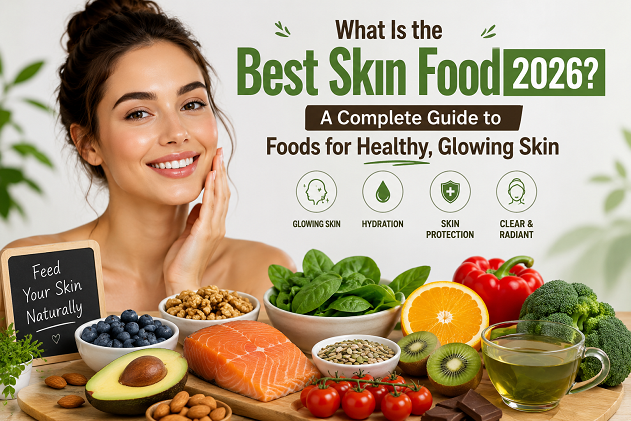
Healthy skin is influenced by many factors, including genetics, sleep, hydration, lifestyle, skincare habits, and diet. In 2026, the idea of “skin food” is increasingly focused on nutrient-rich whole foods rather than relying only on expensive beauty products. Foods containing antioxidants, healthy fats, vitamins, minerals, protein, and plenty of water can support the skin from within. But what is the best skin food 2026? There is no single food that works perfectly for everyone. Instead, a balanced combination of fruits, vegetables, nuts, seeds, fish, eggs, whole grains, and adequate fluids can provide the nutrients needed to maintain healthy-looking skin.
What Is the Best Skin Food 2026?
When people ask what is the best skin food 2026, they are often looking for one powerful ingredient that can transform their skin. In reality, healthy skin benefits most from a varied and balanced diet. Colorful vegetables, fruits, nuts, seeds, fish, legumes, and whole grains provide different nutrients that work together. Vitamin C supports normal collagen formation, vitamin E helps protect cells from oxidative stress, while omega-3 fatty acids contribute to normal skin function. Protein is also important because the body needs amino acids to build and maintain tissues. Therefore, the best skin food is better understood as a combination of nutrient-dense foods rather than a single miracle ingredient.
Why Diet Matters for Skin Health
The skin is the body’s largest organ, so it needs a steady supply of nutrients. A nutritious diet can support normal skin maintenance while an unbalanced eating pattern may make it harder to obtain important vitamins, minerals, essential fats, and protein. Diet is not a replacement for appropriate skincare or medical treatment, but it can be an important part of an overall healthy lifestyle. In 2026, consumers are increasingly interested in simple nutritional approaches that complement their daily routines. Instead of focusing exclusively on trendy supplements, a food-first approach can provide a broader range of nutrients. This makes everyday meals an important foundation for maintaining healthy-looking skin.
Berries: Small Foods With Big Nutritional Value
Berries are among the most attractive choices for a skin-friendly diet because they contain vitamin C and various plant compounds. Strawberries, blueberries, raspberries, and blackberries can add color and nutritional variety to meals. Vitamin C contributes to normal collagen formation, which is important for normal skin structure. Berries can easily be included in breakfast bowls, smoothies, oatmeal, yogurt, or salads. They are also convenient snacks when fresh or frozen. Rather than thinking about berries as a magical anti-aging food, it is more useful to view them as part of an overall nutrient-rich diet. Their combination of flavor and nutrition makes them an excellent everyday option.
Read More: Healthy Lunch Ideas: 10 Delicious, Balanced, and Practical Choices
Fatty Fish and Omega-3 Fatty Acids
Fatty fish such as salmon, sardines, mackerel, and trout provide omega-3 fatty acids along with high-quality protein and other nutrients. Omega-3 fats are essential nutrients that the body cannot produce in sufficient amounts, so they need to come from food or other dietary sources. Including fish as part of a balanced eating pattern can therefore contribute valuable nutrition. Salmon, for example, can be grilled, baked, or added to salads and rice dishes. For people who do not eat fish, plant foods such as chia seeds, flaxseeds, and walnuts provide alpha-linolenic acid, another type of omega-3 fatty acid.
Nuts and Seeds for Healthy-Looking Skin
Nuts and seeds are convenient sources of healthy fats, protein, fiber, vitamins, and minerals. Almonds, walnuts, sunflower seeds, pumpkin seeds, and chia seeds can all fit into a balanced diet. Many of these foods contain vitamin E or other nutrients involved in normal cellular protection. Nuts and seeds can be sprinkled over oatmeal, mixed into yogurt, added to salads, or eaten as a simple snack. Portion size matters because they are relatively energy-dense. The goal is not to consume huge quantities but to include reasonable amounts regularly. Their versatility makes them especially useful for people who want simple, minimally processed additions to everyday meals.
Leafy Green Vegetables and Skin Nutrition
Leafy greens such as spinach, kale, lettuce, and other green vegetables provide a variety of vitamins, minerals, fiber, and plant compounds. They can contribute to an overall nutrient-rich diet without requiring complicated preparation. Spinach, for example, can be incorporated into omelets, soups, curries, salads, or smoothies. Dark green vegetables also help make meals more colorful and nutritionally diverse. Instead of concentrating on one particular vegetable, rotating different greens throughout the week can provide variety. A practical 2026 approach to skin nutrition is therefore not about discovering an exotic “beauty food,” but about consistently eating a broad selection of vegetables as part of balanced meals.
Avocado and Other Healthy-Fat Foods
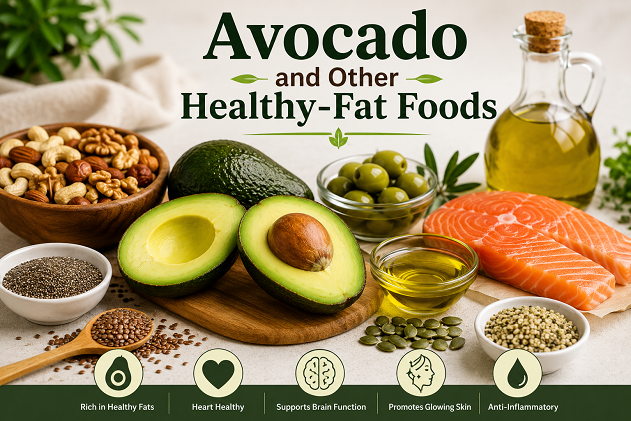
Avocado has become a popular food in discussions about healthy skin because it provides monounsaturated fats along with fiber and several micronutrients. Healthy fats are important components of a balanced diet and help the body absorb fat-soluble vitamins from food. Avocado can be spread on whole-grain toast, added to salads, mixed into sandwiches, or served alongside eggs. Other sources of unsaturated fats include olive oil, nuts, seeds, and certain fish. However, no individual food should be considered a guaranteed solution for skin problems. Avocado is valuable because it can contribute healthy fats and nutrients to an overall balanced dietary pattern.
Hydration: The Often-Overlooked Skin Food
Although water is not technically a food, hydration deserves an important place in any discussion about what is the best skin food 2026. The body requires adequate fluid intake for normal physiological functions, and dehydration can affect how a person feels and functions. Water, milk, soups, and water-rich fruits and vegetables can all contribute to overall fluid intake. Cucumbers, watermelon, oranges, and similar foods can provide both water and nutrients. Rather than depending on expensive “beauty drinks,” maintaining regular hydration through ordinary beverages and water-rich foods is a straightforward approach. Individual fluid needs vary according to factors such as climate, activity level, and overall health.
Protein-Rich Foods and Skin Structure
Protein deserves more attention in conversations about skin nutrition. The body uses amino acids from protein to build and maintain tissues, making adequate protein intake an important part of a balanced diet. Eggs, fish, chicken, beans, lentils, dairy products, tofu, and other protein-rich foods can contribute to daily nutritional needs. Combining different protein sources can also add variety to meals. For example, a meal containing lentils, vegetables, and whole grains can provide a nutritious combination of protein, fiber, and micronutrients. Instead of chasing a single “beauty ingredient,” ensuring adequate overall nutrition may be a more practical strategy for supporting healthy skin.
Skin-Friendly Food Comparison Table
| Food | Key Nutritional Benefit | Easy Way to Eat It |
|---|---|---|
| Berries | Vitamin C and plant compounds | Breakfast or snack |
| Salmon | Omega-3 fats and protein | Grilled or baked |
| Almonds | Vitamin E and healthy fats | Snack or topping |
| Spinach | Vitamins, minerals and fiber | Salad or cooked meal |
| Avocado | Unsaturated fats and fiber | Toast or salad |
| Eggs | Protein and nutrients | Breakfast or lunch |
| Lentils | Protein and fiber | Soup or curry |
| Chia seeds | Fiber and omega-3 ALA | Yogurt or oatmeal |
| Oranges | Vitamin C and fluids | Snack or fruit bowl |
| Oats | Fiber and useful micronutrients | Breakfast |
Building a Balanced Skin-Food Meal Plan
A strong approach to skin nutrition is to build meals around variety rather than searching for one perfect food. Breakfast might include oats, berries, yogurt, and chia seeds. Lunch could combine leafy greens, lentils or grilled fish, whole grains, and vegetables. Dinner might feature salmon or beans with colorful vegetables and brown rice. Snacks can include fruit, nuts, or yogurt. This pattern provides different nutrients throughout the day. The important point is consistency. Eating one “superfood” occasionally is unlikely to compensate for an otherwise poor diet. A diverse eating pattern, combined with adequate hydration and healthy lifestyle habits, is a more realistic long-term strategy.
Example 7-Day Skin-Friendly Food Plan
| Day | Breakfast | Lunch | Dinner |
|---|---|---|---|
| Monday | Oats + berries | Lentils + vegetables | Salmon + greens |
| Tuesday | Eggs + whole-grain toast | Chicken + salad | Vegetable curry + rice |
| Wednesday | Yogurt + chia + fruit | Fish + vegetables | Lentil soup + whole grains |
| Thursday | Oatmeal + banana | Bean salad | Chicken + mixed vegetables |
| Friday | Eggs + avocado toast | Lentils + greens | Fish + brown rice |
| Saturday | Yogurt + berries + nuts | Vegetable bowl | Beans + vegetables |
| Sunday | Oats + fruit + seeds | Grilled fish + salad | Chicken + vegetables |
Foods to Limit for a Better Overall Diet
A skin-friendly eating pattern is not only about what to add; it can also involve being mindful of foods that provide lots of calories but relatively few nutrients. Highly processed foods, excessive added sugars, and diets dominated by fried or heavily refined foods may make it harder to maintain an overall balanced nutritional pattern. This does not mean that people must completely eliminate favorite foods. A sustainable approach allows occasional treats while keeping nutrient-rich whole foods at the center of most meals. The goal should be balance rather than perfection. Eating patterns that are realistic and enjoyable are more likely to be maintained over the long term.
Final Thoughts on the Best Skin Food in 2026
So, what is the best skin food 2026? The answer is not a single fruit, vegetable, supplement, or trendy ingredient. The strongest approach is a varied diet containing colorful fruits and vegetables, adequate protein, healthy fats, whole grains, nuts, seeds, and sufficient fluids. Berries can provide vitamin C and plant compounds, fatty fish can provide omega-3 fats, nuts and seeds can contribute healthy fats and micronutrients, while vegetables supply a broad range of nutrients. Good sleep, sun protection, exercise, stress management, and suitable skincare also matter. In other words, the best “skin food” is a consistent, balanced eating pattern that supports overall health from the inside out.
FAQ: What Is the Best Skin Food 2026?
What is the best skin food 2026?
There is no single food that can be called the best skin food for everyone. A balanced diet containing berries, leafy green vegetables, fatty fish, nuts, seeds, eggs, legumes, whole grains, and plenty of fluids can provide nutrients that support healthy-looking skin. Vitamin C, vitamin E, healthy fats, protein, and antioxidants are particularly useful components of a nutritious diet. The best approach is to regularly include different nutrient-rich foods rather than relying on one so-called superfood.
Which fruits are best for healthy-looking skin?
Berries, oranges, kiwi, guava, watermelon, and other colorful fruits can be excellent choices. Many fruits provide vitamin C, water, fiber, and various plant compounds. Berries such as strawberries and blueberries are particularly convenient because they can easily be added to breakfast, yogurt, oatmeal, or smoothies.
Is fish good for skin health?
Yes. Fatty fish such as salmon, sardines, mackerel, and trout provide omega-3 fatty acids and protein. These nutrients can be part of a balanced diet that supports normal body and skin functions. Fish can be included several times a week as part of an overall healthy eating pattern.
Are nuts useful as skin food?
Nuts and seeds can be valuable additions to a balanced diet. Almonds, walnuts, sunflower seeds, pumpkin seeds, and chia seeds provide combinations of healthy fats, protein, fiber, vitamins, and minerals. They make convenient snacks and can also be added to salads, oatmeal, and yogurt.
Does drinking water improve skin?
Adequate hydration is important for overall health and normal body functions. Water and water-rich foods such as cucumber, watermelon, and oranges can contribute to daily fluid intake. However, drinking excessive amounts of water does not guarantee perfect or glowing skin.
Can food replace skincare products?
No. Nutrition and skincare serve different purposes. A balanced diet can support overall health and provide essential nutrients, while skincare can help address specific concerns such as cleansing, moisturizing, and sun protection. A healthy lifestyle works best when combined with appropriate skincare habits.
What foods should I limit for better skin nutrition?
Rather than completely eliminating particular foods, it is generally sensible to limit an eating pattern dominated by highly processed foods, excessive added sugars, and heavily fried foods. Focus most meals on vegetables, fruits, whole grains, protein sources, and healthy fats while allowing occasional treats.
How long does it take to see results from a healthy diet?
There is no fixed timeline because skin appearance depends on many factors, including genetics, age, lifestyle, skincare, sleep, and overall health. A nutritious diet should be viewed as a long-term habit rather than a quick solution. Consistency is more important than expecting immediate changes.
Is avocado one of the best skin foods?
Avocado can be a nutritious choice because it contains unsaturated fats, fiber, and several micronutrients. However, it is not a miracle food. Including avocado alongside vegetables, fruits, protein, whole grains, nuts, and seeds is a more useful approach than depending on avocado alone.
What is the simplest skin-friendly diet for 2026?
A simple approach is to eat a variety of colorful fruits and vegetables, include a quality protein source at meals, choose healthy fats such as nuts and seeds, eat whole grains, drink adequate fluids, and limit excessive highly processed foods. This practical approach is more sustainable than following complicated “skin food” trends.