
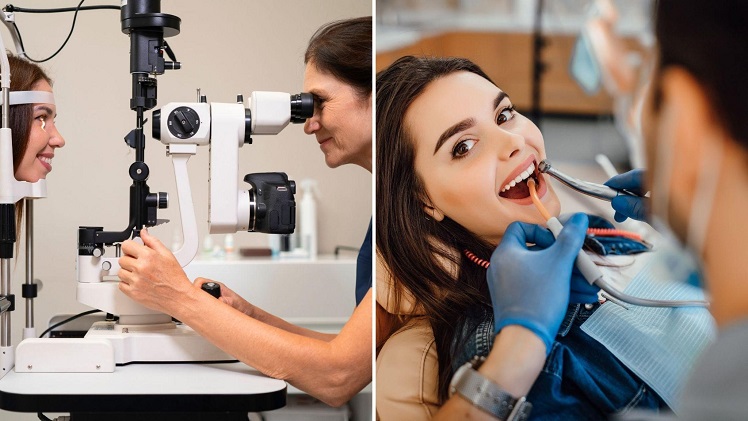
Dental and vision expenses often come up as everyday OPD visits, not hospital admissions. A routine dental check-up, a sudden toothache, a new eye prescription, or follow-up consultations can feel small, but they add up across the year for a family.
That is why OPD benefits with dental and vision support can be useful when you are comparing the best health insurance for your family. In this article, you will understand what these covers usually include and how to choose wisely.
What OPD Benefits Usually Cover
OPD stands for outpatient department. It means medical care where you do not get admitted to the hospital. OPD cover is usually an add-on you choose, not something that automatically comes with every policy.
Doctor Consultations, Both Clinic and Digital
Many OPD packages include doctor consultations, sometimes through a clinic visit and sometimes through teleconsultation. For a family, this is useful for quick medical advice and follow-ups, especially when you want to avoid unnecessary hospital visits.
Diagnostic Tests and Investigations
Tests and investigations are a common part of OPD. A good OPD benefit often supports routine diagnostics that your doctor recommends, which can make follow-up care smoother.
Wellness Add-Ons That May Include Dental Support
Some OPD options go beyond consultations and tests and include wellness support such as dental services and nutrition guidance. A few also add emotional wellness support, which is increasingly relevant for families managing stress and lifestyle issues.
Where Dental and Vision Coverage Fits in
Dental and vision benefits are not always offered in the same way, so it is important to understand the structure before you buy.
Dental Cover: Check if it is Treatment or Only Consultation
Some plans may cover basic dental consultations, while others may include certain procedures. Often, purely cosmetic treatments are excluded. If you are buying OPD mainly for dental needs, read the benefit wording carefully and confirm what types of dental services qualify.
Vision Cover: Understand What Counts as a Claim
Vision-related benefits may focus on consultations and diagnostic checks. Expenses like spectacles, contact lenses, or elective procedures may or may not be included. This is where many families assume coverage and later feel disappointed, so clarity upfront helps.
What to Check Before Choosing OPD Dental and Vision Benefits
OPD cover can look like a great add-on, but you should verify the details first. Use these points to choose with clarity.
- Covered services: Confirm whether dental and vision are included, and whether it is limited to consultation or extends to treatment.
- Limits and caps: OPD benefits often have internal limits on how much you can claim and how often, even if your base policy coverage is high.
- Waiting periods: Certain OPD benefits may activate after a waiting period, especially if they are treated like a structured add-on.
- Exclusions: Cosmetic dentistry, non-prescribed treatments, and certain elective procedures are common exclusions. Vision benefits may have exclusions around devices and elective corrections.
- Family applicability: Check whether OPD benefits apply to every insured member or only to the proposer, as structures can vary.
- Claim requirements: Most OPD claims need basic paperwork such as prescriptions, invoices, and test reports. If the process is app-based, it can be easier to track.
- Ease of use: If your family prefers quick access, look for plans that make OPD usage simple through digital consultations and a clear network pathway.
Who Should Prioritise Dental and Vision OPD Benefits
This add-on is most valuable when OPD is a regular part of your family’s healthcare.
- Families with children who need frequent dental follow-ups.
- Households with parents who require routine eye monitoring.
- Working couples who rely on regular consultations, tests, and preventive check-ups.
- Families who prefer quick teleconsultations for day-to-day health concerns.
Final Thoughts
Dental and vision cover through OPD benefits can reduce the friction of everyday healthcare spending, but only when you choose it with clear expectations. Focus on what is covered, how claims work, and what the exclusions look like.
Once the base policy is solid, OPD becomes a useful upgrade that supports your family not only during emergencies, but also in the “normal” months when health expenses quietly keep happening.